Every commercial asset eventually reaches a quiet tipping point. On the surface, the building appears stable—the glass is washed, the lobby is bright, and the rent checks arrive on schedule. Yet beneath that polished facade, small operational oversights begin to compound. A minor roof leak goes unnoticed behind a ceiling tile; a backup generator misses its scheduled load test; an aging air handler quietly pulls more amperage than it was designed to handle.
When property managers treat facility care as a list of reactive tasks rather than a holistic preservation strategy, asset valuation steadily erodes. Deferred maintenance acts like high-interest debt: the longer it sits unpaid, the more expensive it becomes to settle. A single major structural failure or extended power outage can erase months of NOI, drive away high-value tenants, and stall future property transactions.
Preserving the long-term equity of a commercial building requires moving beyond simple firefighting. By implementing a proactive, comprehensive framework that spans structural envelopes, mechanical systems, critical utilities, and exterior appeal, real estate owners shield their assets against unnecessary capital depletion.
Protecting the Building Envelope from Environmental Wear
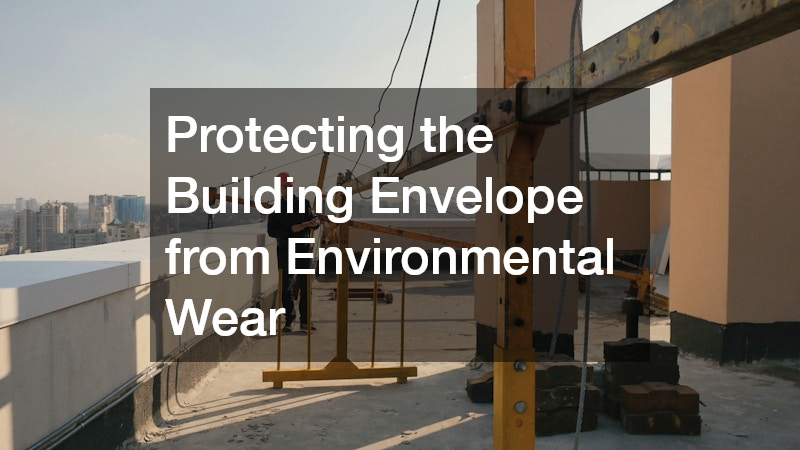
Water is the single most destructive force a commercial structure encounters over its lifespan. A minor breach in the building envelope can migrate through insulation, deck support, and interior finishes long before evidence appears on an upper-floor ceiling. To combat this, established property owners schedule formal overhead inspections every spring and autumn, as well as immediately following major weather events.
During these audits, field technicians look far beyond simple surface wear. They inspect seam integrity, check scuppers and internal drains for debris accumulation, evaluate flashings around mechanical curbs, and verify that expansion joints still accommodate thermal movement. Documenting these audits with high-resolution photos creates an immutable historical record for insurance carriers and prospective buyers alike. When major repairs become unavoidable, establishing a long-standing relationship with vetted roofing contractors ensures your property receives priority scheduling during regional weather emergencies when repair teams are stretched thin.
Beyond commercial roofing, vertical building facades require constant vigilance against moisture and biological degradation. Concrete tilt-up panels, brick veneers, and exterior insulation finishing systems constantly expand and contract under seasonal thermal cycles. Minor cracks in caulking or expansion joints invite wind-driven rain into interior wall cavities, weakening structural fasteners and creating ideal conditions for hidden toxic mold.
Commercial facades also endure constant exposure to atmospheric pollutants, vehicle exhaust, salt spray, and organic growth. Over time, these contaminants penetrate porous surfaces like precast concrete, split-face block, and brick masonry, breaking down mortar joints and rusting internal rebar. A routine exterior wash cycle preserves the physical integrity of these materials while maintaining the sharp presentation tenants expect.
Maintaining an effective exterior cleaning schedule requires specialized equipment that operates under demanding conditions. When a heavy-duty pressure washer repair becomes necessary, having local technicians on speed dial keeps maintenance schedules from slipping behind. Regular high-pressure washing removes corrosive salts and biological growth before they can etch into glass or compromise protective facade sealants, saving hundreds of thousands of dollars in premature restoration costs.
Safeguarding Interior Systems and Tenant Health
Commercial interiors experience an immense amount of foot traffic daily. Sand, grit, and moisture tracked in from parking lots act like sandblasting agents against interior floor finishes. Once grit grounds itself deep into carpet fibers, it shears the filaments at the backing level, creating permanent traffic lanes that no daily vacuuming can restore.
To protect this investment, facilities teams must coordinate a multi-tiered floor care strategy:
- Entry matting systems: Position high-performance matting at all public entryways, extending at least twelve feet indoors to capture foreign particles before they reach primary corridors.
- Daily spot treatments: Instruct evening custodial crews to address liquid spills, ice melt residue, and oil traces immediately to prevent permanent staining.
- Rotary extraction schedules: Schedule quarterly deep extractions for high-traffic zones and semi-annual treatments for private tenant suites.
Partnering with a reliable commercial carpet cleaner ensures that deep-seated particulates and allergens are extracted using professional-grade, low-moisture equipment. This systematic approach easily doubles the usable life of interior textiles, directly delaying costly commercial capital replacements.
Sub-surface flooring materials are only one component of indoor environment management; interior thermal comfort and air quality play an equally critical role in tenant satisfaction and retention. When air distribution systems accumulate dust, microbial growth, or moisture, building occupants suffer from degraded indoor air quality, leading to increased lease friction and tenant complaints.
Waiting for a central cooling system to fail during a mid-summer heatwave guarantees two outcomes: angry tenants and exorbitant emergency labor rates. Modern facility management relies on predictive diagnostics to identify deteriorating compressor performance, refrigerant leaks, or electrical stress long before equipment founders.
By monitoring key metrics like supply-air temperature differentials, oil acidity, and compressor vibration, engineering teams can plan system replacements during off-peak seasons. When equipment reaches the end of its efficient service life, working with an experienced ac installation contractor ensures the new equipment is sized accurately for current building loads, integrating seamlessly with existing building automation software to reduce energy consumption.
Ensuring Business Continuity Through Power and Utility Maintenance
Electrical infrastructure often operates out of sight and out of mind—until a main breaker trips under heavy load or a bus duct suffers a catastrophic phase-to-phase short. The primary enemy of electrical reliability is heat, usually generated by loose terminal connections, unbalanced phase loads, or internal component degradation.
An annual infrared thermographic survey offers a non-invasive look into live electrical equipment under normal operational load. Certified technicians scan main switchgear, distribution panels, step-down transformers, and motor control centers to spot abnormal temperature elevations. A normal terminal temperature ranges from 25°C to 35°C, representing a safe operating environment. An elevated reading between 40°C and 65°C indicates maintenance needs to be scheduled soon, while any critical hot spot exceeding 70°C requires immediate de-energization to prevent thermal failure.
Identifying these thermal anomalies early allows property managers to schedule planned outages to torque connections or replace failing breakers. Executing these preventative adjustments alongside a qualified electrical contractor eliminates the risk of electrical fires, structural damage, and costly unplanned building blackouts.
In addition to preventative electrical care, facility teams must prepare for unforeseen infrastructure disruptions caused by extreme weather, municipal grid failure, or main utility line breaks. Sudden outages do not merely interrupt tenant productivity; they can freeze electronic security gates, disrupt server room cooling, and paralyze life-safety systems.
Even the most meticulously maintained facilities encounter mechanical failures. Severe storms, grid instability, or sudden component fatigue can bring key building operations to a halt in seconds. The difference between a minor operational hiccup and a headline-making disaster lies in the speed and structure of your response protocol.
Commercial landlords must build clear protocols for critical failures:
- Establish written Service Level Agreements (SLAs) with primary mechanical vendors that guarantee on-site response times under four hours.
- Maintain an updated, digital inventory of all critical mechanical assets, including model numbers, belt sizes, filter dimensions, and serial numbers.
- Train on-site building engineers on emergency bypass procedures, manual valve isolation, and tenant communication channels.
When an unexpected HVAC failure occurs on a 95-degree afternoon, having pre-negotiated contracts for emergency hvac services with an experienced HVAC company ensures rapid dispatch, minimizing tenant disruption and protecting sensitive infrastructure like server rooms from severe thermal damage.
Preserving Auxiliary Assets and Backup Infrastructure
A backup generator provides little value if it fails to transfer power during an actual utility outage. Too many commercial facilities run brief, no-load exercise cycles once a month and assume their emergency power system is fully operational. Running a diesel or gas engine without a substantial electrical load leads to wet stacking—a condition where unburned fuel accumulates in the exhaust system, carbonizing components and reducing engine output.
Property teams should execute annual load bank testing, connecting portable resistive load banks to push the backup generator to 100% of its rated capacity for several consecutive hours. This process burns off carbon deposits, verifies cooling system integrity, and proves that transfer switches operate smoothly under stress. When mechanical faults or fuel delivery issues appear during these stress tests, sourcing prompt cummins generator repair preserves the reliability of your emergency power grid before the next municipal power failure occurs.
Proper fuel quality management forms another essential leg of emergency power maintenance. Diesel fuel stored in standby tanks deteriorates over time due to condensation, bacterial growth, and chemical oxidation. Implementing an annual fuel polishing cycle removes sludge and water, ensuring the engine fires reliably during extended power disruptions.
Large commercial complexes often rely on an array of specialized utility machinery to maintain daily operations. From diesel-powered site vehicles and skid steers to specialized hydraulic lifts and subterranean drainage pumps, these assets keep the physical infrastructure accessible and operational.
Neglecting off-highway utility gear leads to expensive operational bottlenecks during critical maintenance windows. Establishing a strict fleet maintenance program—tracking engine hours, fluid changes, hydraulic pressure checks, and wear-and-tear items—keeps these supporting assets ready for work. When mechanical breakdowns occur, securing skilled utility equipment repair keeps heavy machinery running smoothly, preventing costly delays in site upkeep and infrastructure projects.
Furthermore, setting up structured equipment logs allows managers to forecast heavy equipment replacement lifecycles accurately. By tracking performance dips and recurring repair costs over time, facilities teams can retire aging machinery before catastrophic failure occurs on-site.
Aligning Site Exterior and Future Growth with Long-Term Valuation
First impressions heavily influence commercial real estate valuations. When prospective tenants or institutional investors visit a property, the condition of the grounds instantly communicates how well the entire asset is managed. Neglected turf, overgrown sightlines, broken hardscapes, and poor drainage project a culture of deferred maintenance that makes prospective tenants question the condition of the building’s unseen mechanical systems.
A disciplined approach to exterior management involves much more than simply cutting grass:
- Turf maintenance: Implement balanced fertilization, aeration, and weed control programs designed specifically for commercial soil profiles.
- Irrigation efficiency: Utilize smart, weather-informed irrigation controllers to optimize water usage and prevent overspray onto building facades and asphalt.
- Plant bed maintenance: Apply fresh mulch annually to retain soil moisture, suppress weeds, and buffer plant root systems against seasonal temperature swings.
- Tree canopy care: Schedule regular structural pruning to eliminate dead branches before high winds turn them into hazards for vehicles and glass.
Investing in structured commercial landscape maintenance keeps the site visually appealing, protects asphalt edges from root intrusion, and allows landlords to command premium rental rates during lease renewals.
Proper grounds maintenance also protects parking infrastructure and stormwater retention systems. Uncontrolled storm runoff can erode soil foundations near retention ponds, damage curbing, and accelerate asphalt cracking. Implementing clear runoff channels, maintaining catch basins, and sealing pavement cracks every two years prevents costly structural repaving projects down the road.
A commercial asset should never be viewed as a static structure. As market demands shift, property owners frequently need to repurpose parking areas, expand existing footprints, or reconfigure layouts to accommodate major anchor tenants. A robust facilities plan keeps clear records of underground utilities, structural load capacities, and mechanical reserves, ensuring future modifications can occur without costly surprises.
When prospective corporate tenants request custom-built spaces or specialized operational footprints, having a well-documented facility infrastructure drastically accelerates the planning process. Property owners who maintain comprehensive engineering records can move quickly on build to suit development opportunities, converting open land or underutilized structures into high-yield, long-term commercial leases.
To ensure seamless execution during facility expansions, asset managers must align site engineers, architects, and municipal planning boards early. Maintaining up-to-date site surveys and environmental compliance documentation eliminates lengthy permitting delays, giving commercial property owners a decisive competitive edge when negotiating high-value master leases.
The Capital Preservation Imperative
Commercial property investment success is rarely determined by luck; it is driven by rigorous, operational discipline. Viewing maintenance as an administrative chore invites accelerated depreciation, operational downtime, and diminished asset value. Conversely, treating facility care as an integrated capital preservation strategy ensures steady net operating income and long-term asset growth.
By establishing structured maintenance routines across every layer of your commercial property—from the roof membranes overhead to the utility lines beneath the parking lot—you protect your real estate against unexpected market shocks. Take time this quarter to audit your current vendor agreements, review your preventative maintenance schedules, and inspect your critical mechanical systems. The capital you invest in structured care today will pay dividends for the entire lifecycle of your asset.